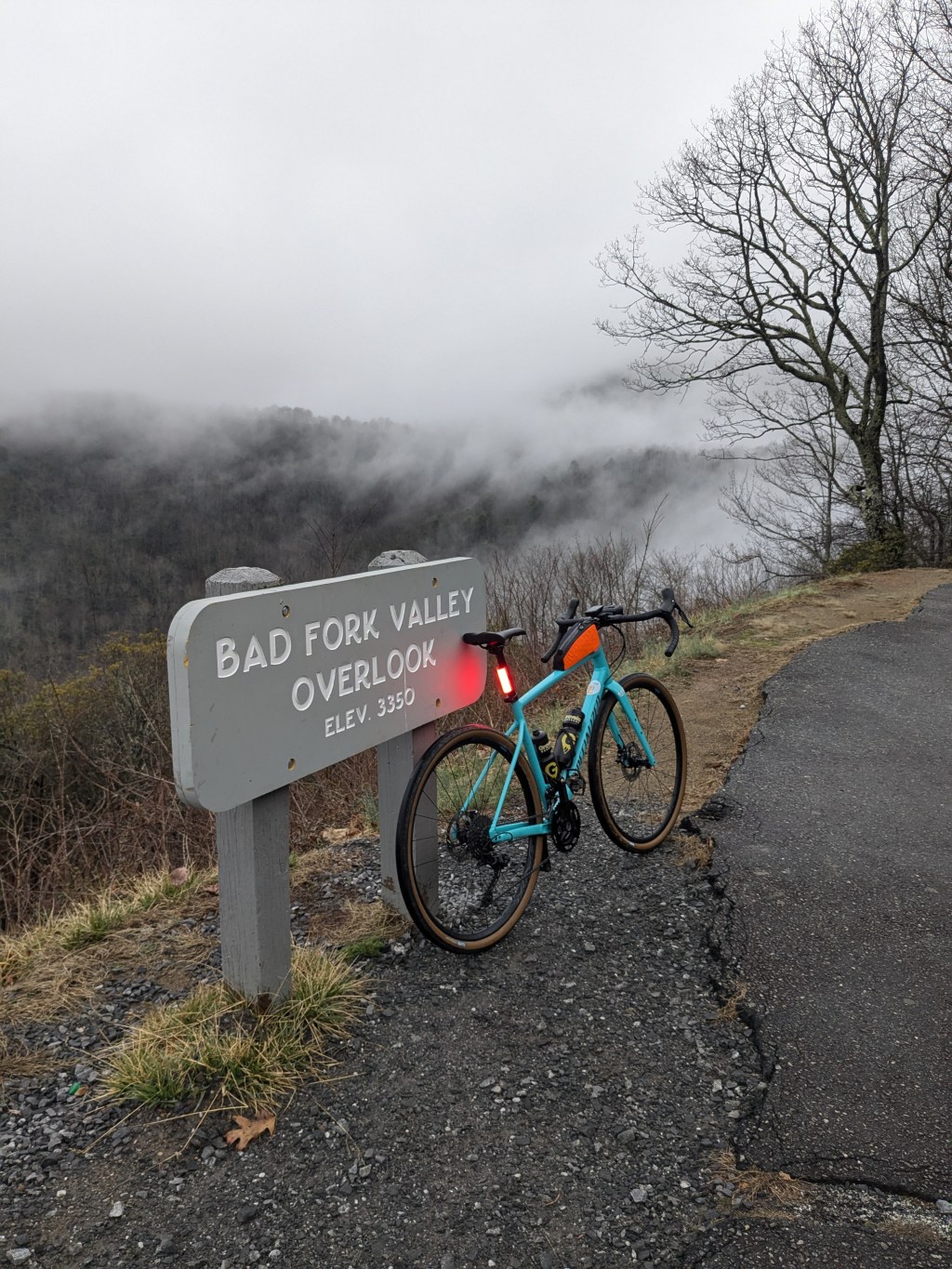
The so-called “spirit of gravel,” has escaped me for many years; I’ve never fully understood this whole gravel thing. People have been riding bikes on gravel roads since the bicycle was invented, but seemingly overnight in the 2010’s, the bike industry invented the gravel bike category. I was working in a bike shop in 2013 when just about every bike company added a gravel bike to their catalog.

The Niner RLT 9 , one of many debut gravel bikes to come out in 2014.
The gravel bike designation confused me, I thought, “What the hell is a gravel bike, can you only ride them on gravel?”
These bikes appeared to be road bikes with clearance for fat, knobby tires and disc brakes. Similar to cyclocross bikes, which had existed for decades, only with more mounts for water and whatever junk you wanted to strap to your bike. I was living in Boston at the time and I had no idea where the nearest gravel road was and the idea that I had to strap things to bike was foreign to me. You’re telling me there’s rides where a Dunkin’s or a 711 isn’t nearby?

As the gravel thing took I off, I was racing cyclocross and cross-country, as training I’d occasionally ride my cyclocross bike through combination of city streets and dirt paths through conversation land forests and town parks. It wasn’t like the pictures of gravel riding I saw on the internet of cyclists pedaling through endless gravel farm roads in the Midwest. It was more of MTB-LITE and If I’m honest I didn’t enjoy it very much. I felt like I had to baby my bike to avoid a flat tire or a broken spoke.
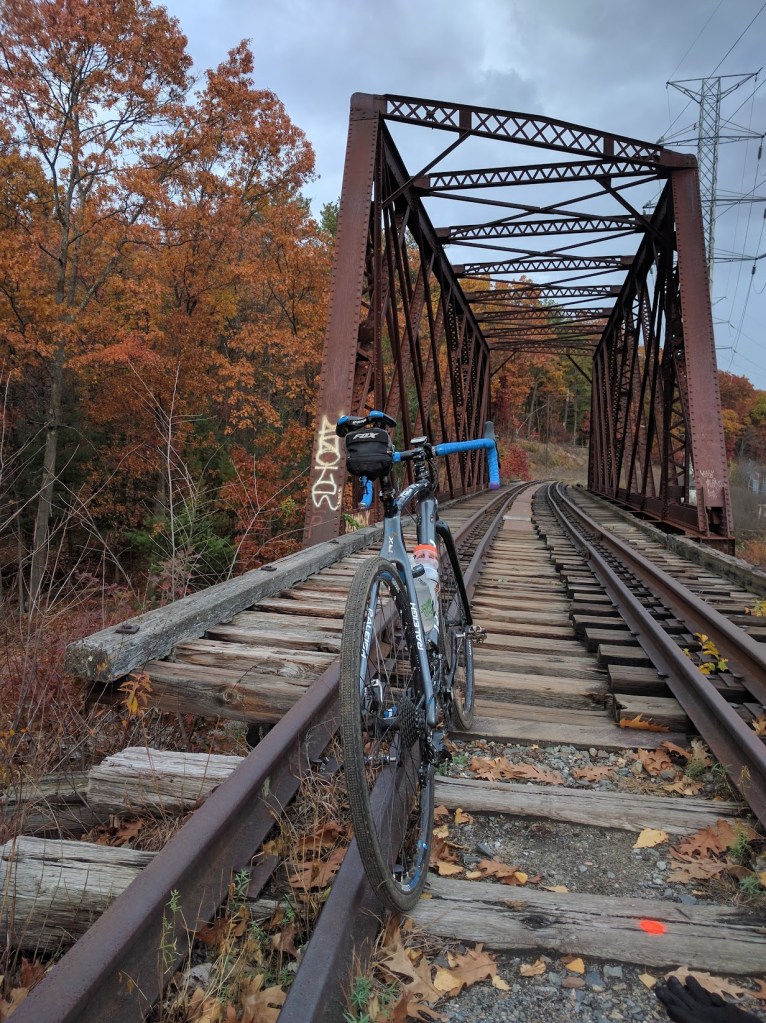
Autumn 2016 – Waltham, Mass. The old railway leading into Weston, before it was turned into a bike path.
The more I became interested in Mountain Biking, the less I enjoyed riding any kind of drop bar bike. Covid was the nail in the coffin for my enjoyment of riding drop bar bikes. With less traffic on the roads, and less enforcement, drivers started to see the road as their personal time trial course. You could drive as fast as you wanted without repercussions. Road cycling started feeling like a death wish as drivers buzzed me at high rates of speed every time I went out. While the Boston area has an excellent network of multi-use paths, during covid everyone wanted to go outside and these paths were more crammed than downtown streets during rush hour.
I started leaving the city more and spending time in Vermont and Western Massachusetts. While these areas have great gravel riding, I wasn’t driving 3+ hours to ride a bike on gravel; I was going mountain biking. It was during covid that my obsession with mountain biking took off. I started plotting on how to leave the city and ride mountain bikes year round.

Vermont was always such a relief from the city.
With my job going remote, I moved to Asheville, North Carolina due to its temperate weather and it’s proximity to the expansive Pisgah National forest. Unfortunately in the first few months of living here, I crashed on my mountain bike and bruised my knee. I was unable to ride for about two months as I healed. A physical therapist recommended I ease back into it with some road riding to strengthen my knee. The problem was I didn’t own a road bike any longer. The cyclocross bike I had been riding for nearly a decade was clapped out and I decided to sell it in anticipation of the move.

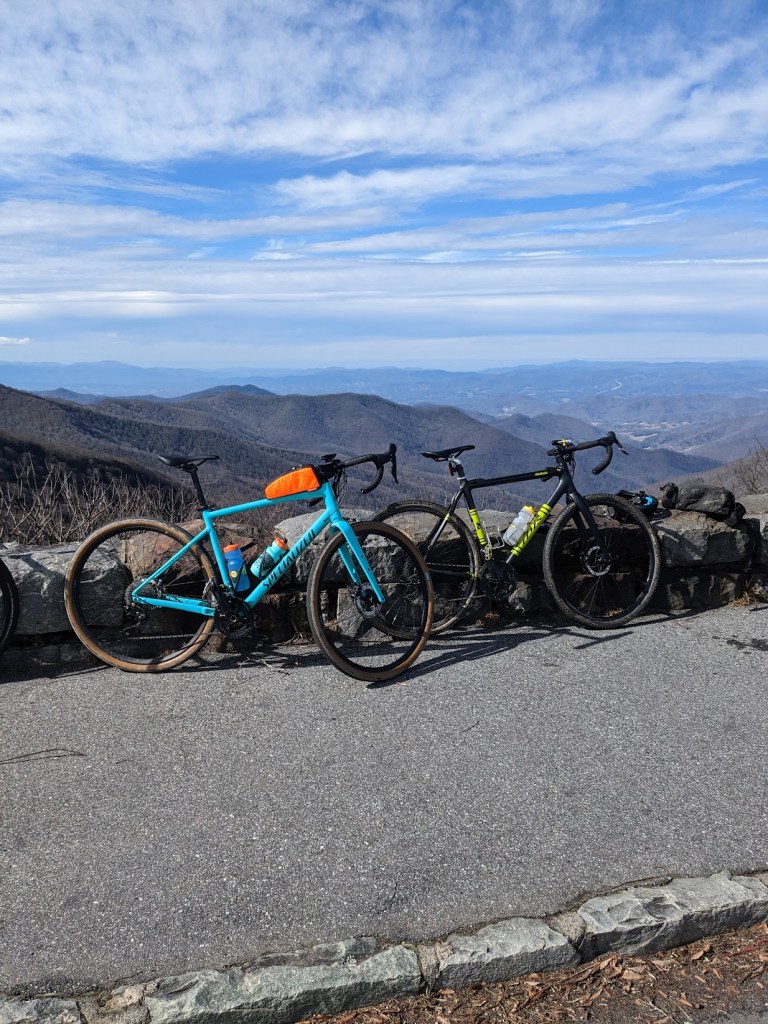
2022-23 was a great time to buy a bike as many bike companies thought the covid bike boom would last forever and had too much inventory on hand. Specialized in particular were selling their bikes at deep discounts. In January, 2023 I bought a Specialized Diverge on sale; my first ever “gravel-specific” bike and to my surprise I fell in love with gravel riding.
Gravel bikes and components have come a long way in the last ten years. I continue to be throughly impressed with my “entry-level” alloy Diverge. It’s slack geometry, low bottom bracket, long wheel base and engineered frame-flex, make the bike extremely comfortable yet confidence inspiring on rough train and sweeping mountain descents.
My previous cyclocross bike had cable actuated disc brakes, that only sort-of worked. By comparison the hydraulic GRX on my new bike give me the same confidence of the brakes on my mountain bike. Gravel tubeless tires and wheels were questionable back in the day, but I’m happy to report the reliability and performance of gravel tubeless in 2025 is amazing. Most gravel bikes these days can fit at least a 700×45 tire in the frame giving you loads of options. I’ve opted for a 44c Renee Hearse slick tire which rides nearly as fast as a road tire, but with added cushion and grip for gravel roads.
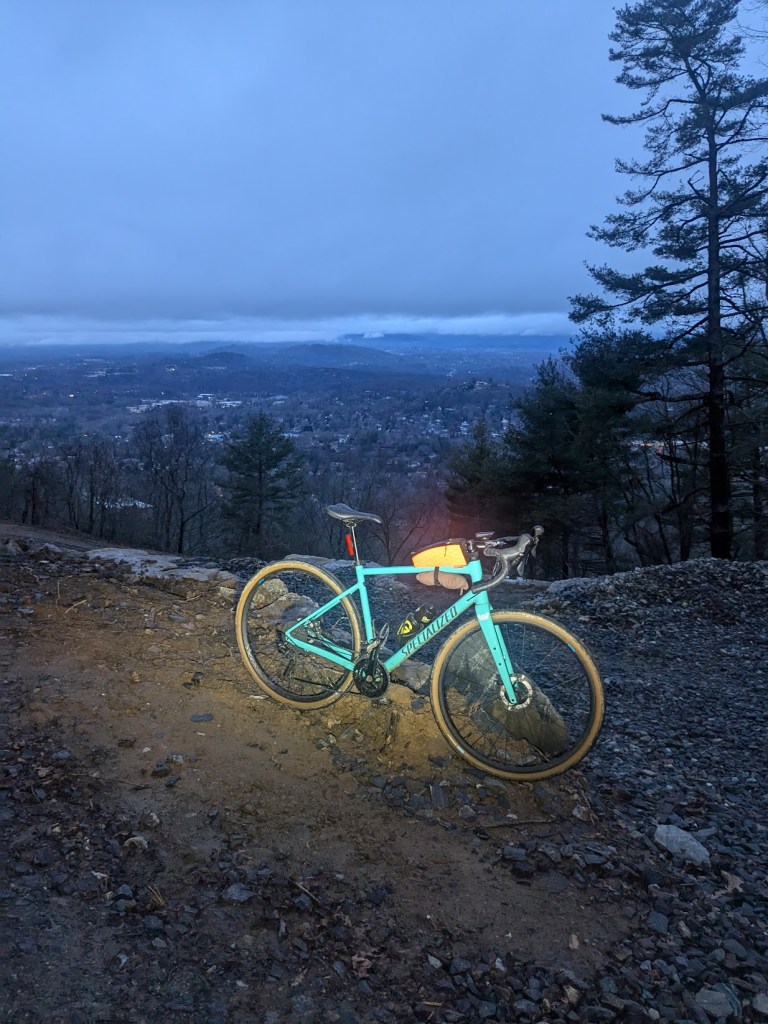
While I enjoy living in Asheville, I will be the first to admit that it’s not terribly bike or pedestrian friendly. I was scared to ride a road bike in the city for the first few months of living here, but I started attending group rides hosted by Gravelo, a bike shop in North Asheville specializing in high-end gravel bikes. Gravelo’s rides showed me you can easily find yourself on quiet mountain roads just outside of downtown Asheville, several of which are gravel.
The discovery of gravel roads in town, opened up new options for me and meant I didn’t have to drive my mountain bike to a trailhead. I could leave my front door and explore the city. Exploration, studying maps and having a good time is the spirit of gravel to me. There’s something exciting about riding gravel bikes in the mountains. While the steep mountains of Appalachia can be an excruciating physical challenge, the high speed descents on roads that look like spaghetti on a map, more than make up for it. There are plenty of sprawling gravel roads in the nearby Pisgah National Forest and with sections of the Blue Ridge Parkway closing to motorists in winter, Western North Carolina is an amazing place to have an adventure on a bike.
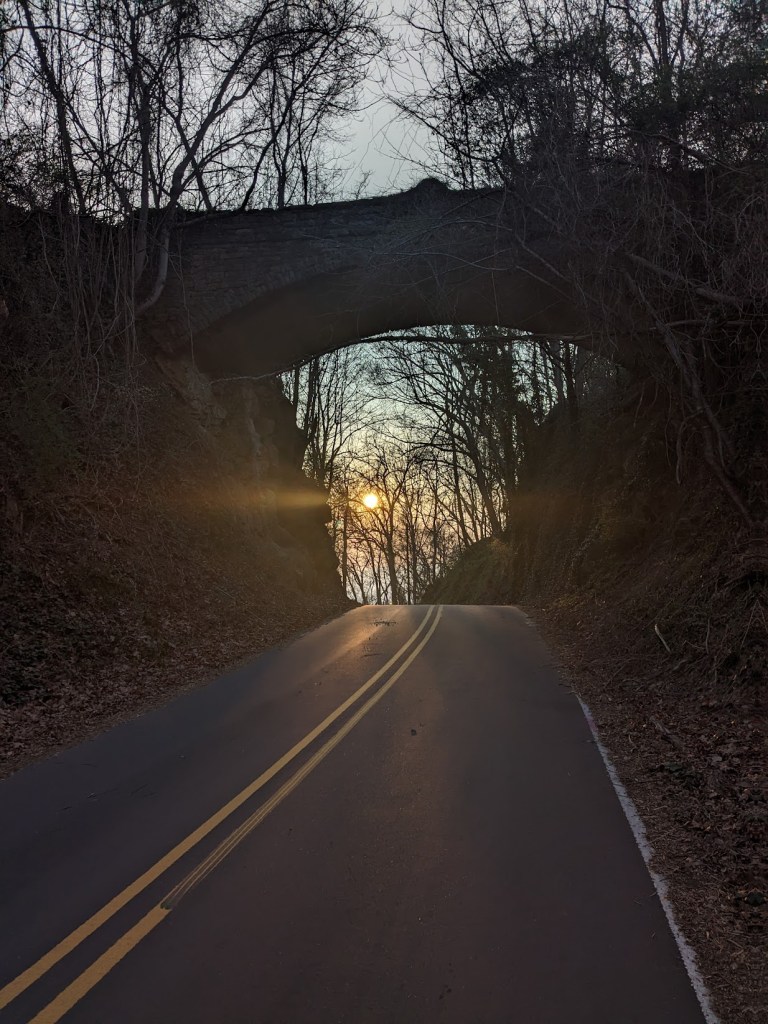
I’ll include this post with some of my favorite photo’s from local rides!

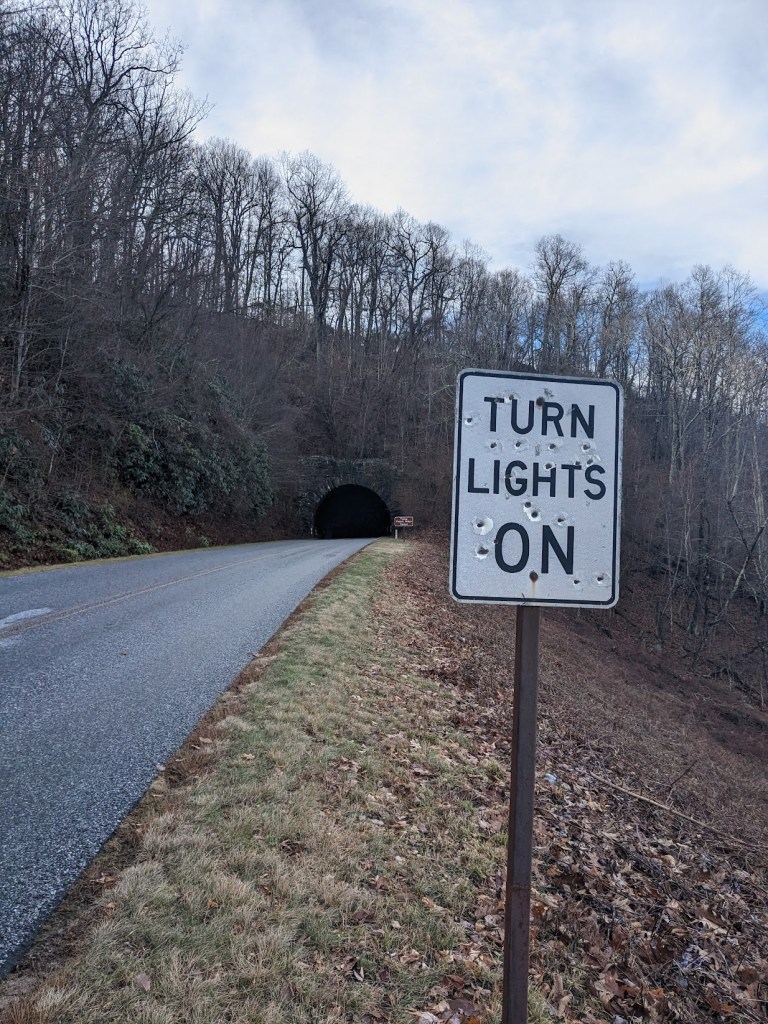




 The Descent
Leave a comment